finance & economics, financial crisis, in other words, world affairs hot potato Author The Editor Date August 25, 2007 With international markets still reeling from the “sub-prime meltdown” and investors already bracing for...
in other words, world affairs change the policy Author The Editor Date August 7, 2007 With YouTube now participating in presidential primaries and digital media poised to overtake traditional...
fiction & art, history & society, in other words walking Author The Editor Date July 18, 2007 An indictment of the sedentary class, excerpted from an 1862 essay by Henry David...
in other words, world affairs preemptive defense Author The Editor Date June 29, 2007 “Now that an immediate peril is not plainly visible, there is a natural tendency...
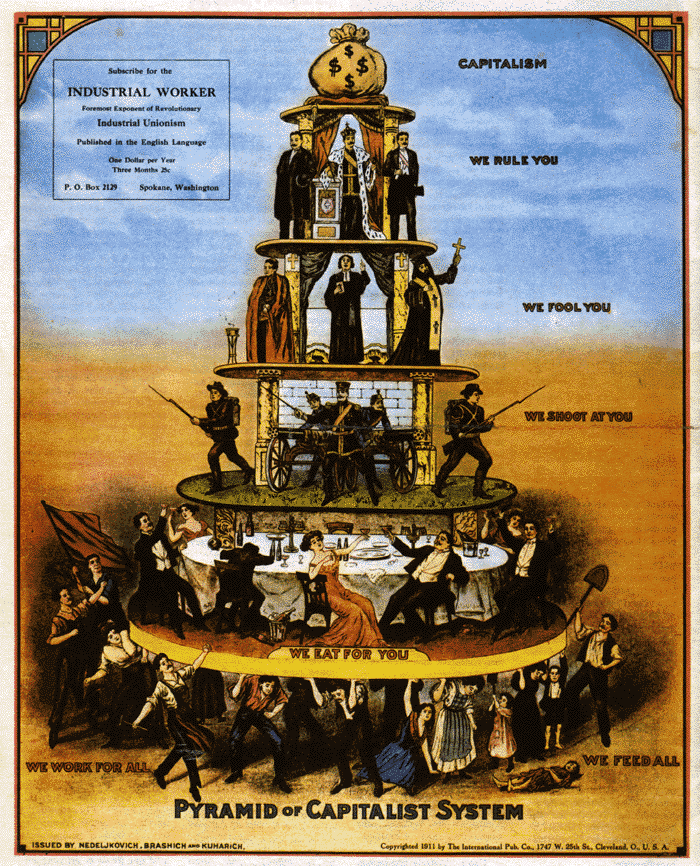
finance & economics, history & society, in other words, world affairs who knew? Author The Editor Date June 29, 2007 The Ford Foundation’s Values and Grant Letter The Ford Foundation and the organizations that...
history & society, in other words, world affairs to kill a mockingbird Author The Editor Date June 27, 2007 Sober words from one of this primary’s lesser known Democratic candidates, on the benefits...
financial crisis, in other words, world affairs the price of liberty Author The Editor Date June 4, 2007 Spending taxpayers money on a massive military offensive has its own unique economic consequences,...
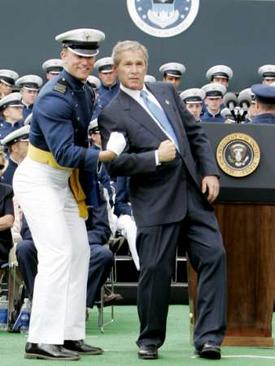
history & society, in other words, world affairs commencement Author The Editor Date June 2, 2007 Words of worldly wisdom from the Commander in Chief at the Coast Guard Academy...
finance & economics, history & society, in other words, science & tech the darker side of ethanol Author The Editor Date May 28, 2007 As politicians and investors cast their enthusiastic support behind the legislation and technology necessary...
history & society, in other words, world affairs obama’s long tail Author The Editor Date May 14, 2007 Speeches like this remind us of why partisan politics is often no better than...
history & society, in other words principal’s message Author The Editor Date April 30, 2007 “During 1967 we were proud to identify ourselves as Canadians. In celebrating our country’s...
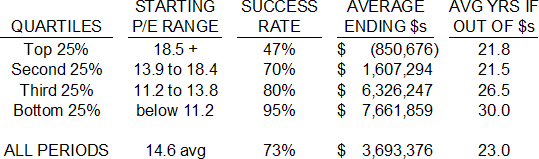
financial crisis, history & society, in other words the big boom Author The Editor Date April 23, 2007 Another great piece of well-deserved fear-mongering from the keyboard of a financial doomsayer, who...
finance & economics, world affairs in income we trust Author The Editor Date February 15, 2007 Since their earliest days a rogue asset class — a breakaway tax haven from...
finance & economics, science & tech number portability Author The Editor Date February 5, 2007 One of the last developed countries to modernize competition in the red hot mobile...
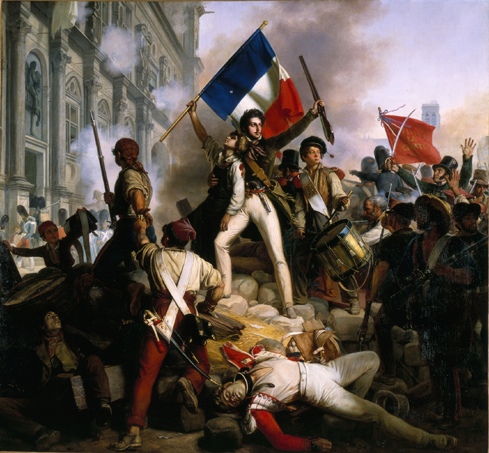
history & society, world affairs a history of violence Author The Editor Date January 15, 2007 “Nationalism is like cheap alcohol. First, it makes you drunk, then it makes you...
financial crisis, in other words all that glitters Author The Editor Date November 23, 2006 November 23, 2006—More dour news about the coming financial apocalypse, this time by noted...
history & society, in other words, the middle east creature comforts Author The Editor Date November 9, 2006 This piece in the OpEd section of the Wall Street Journal could be written...
finance & economics, in other words shanghai’d Author The Editor Date October 26, 2006 Recent reports have pegged open interest in the world’s largest IPO at nearly US$400...
history & society, in other words, the middle east if looks could kill Author The Editor Date October 3, 2006 “It’s hard for Americans, all of us, including me, to understand what’s wrong with...
history & society, in other words, the middle east the first stone Author The Editor Date September 21, 2006 Another topical analysis from the team over at Stratfor. This time, they tackle a...